
When I first set out to plan a serious 5-day self-drive trip to Jeju Island, I didn’t intend to create a rigid itinerary. My only goals were to avoid exhausting drives, steer clear of rushed sightseeing, and ensure I could stop for coffee whenever the mood struck. However, once I started planning, I realized the challenge wasn’t a lack of attractions, but rather the fragmented nature of managing routes, parking, tickets, and café stops separately.
I discovered JejuPass while organizing my plans, and it helped transform the trip from a “go-wherever-I-feel-like” affair into a structured 5-day route I could simply follow. It offers more than just car rentals; it bundles car hire, café perks, and attraction ticket discounts into a single system, significantly reducing the decision-making burden during the trip.
Below, I outline a 5-day self-drive itinerary created using JejuPass. It covers routes along the east and west coasts, café stops, attraction passes, and rental packages, along with contingency plans for both sunny and rainy weather.
Overall Concept: Making “Driving” the Focus, Not “Navigating”
My guiding principle for this trip was simple: avoid wasting time looking up guides or making last-minute decisions on where to go. Jeju Island is perfect for self-driving thanks to its continuous coastline; with a well-designed route, many attractions naturally link together.
The value of JejuPass here wasn’t just in making recommendations, but in consolidating the car, tickets, and café offers into a single platform. This allowed me to know roughly what to expect each day before I even arrived, rather than having to replan everything on the ground.
Day 1 | Arrival in Jeju + A Relaxed Introduction to the West Coast
Upon landing at Jeju Airport, the first thing I noticed was the slow, relaxed pace. Picking up the car was smoother than I expected; since the rental, insurance, and pickup details were all integrated into JejuPass, the on-site process was essentially just identity verification and a key handover—no tedious back-and-forth explanations. That kind of efficiency is crucial when you’ve just stepped off a plane.
I didn’t plan a complex route for the first day; instead, I drove straight along the west coast to get accustomed to right-hand drive vehicles and local road conditions. The drive from the airport to the Aewol coast served as a “warm-up” for the entire trip. Once I reached the seaside, I adopted a spontaneous approach—stopping whenever I felt like it rather than making a beeline for specific famous cafes—and simply meandered along the coastline. Since the JejuPass cafe benefits are valid across designated zones, I didn’t have to agonize over which specific shop was a “must-visit”; instead, I could just step into any seaside cafe that caught my eye and relax for a while.
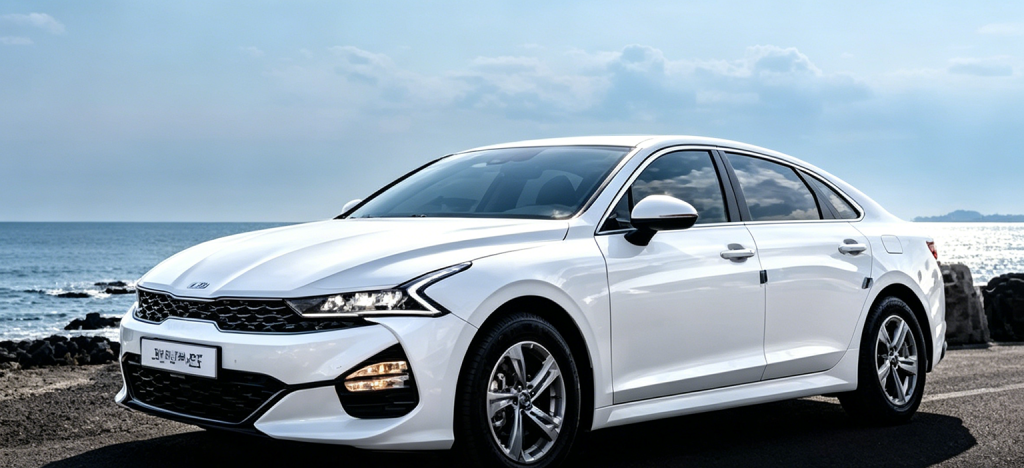
The feeling throughout the day was less about rushing through an itinerary and more about settling into the rhythm of Jeju Island.
Day 2 | The West Coast Route + Cafe Hopping
Day two marked the start of the full western route, with the day’s theme being “coastal continuity.”
After leaving my accommodation in the morning, I drove north along the western coastline. A standout feature of this stretch is the high density of cafes, many of which boast floor-to-ceiling windows facing the sea.
The JejuPass “Cafe Pass” system really enhances this kind of itinerary; I didn’t have to worry about paying at every stop or comparing prices, allowing me to focus instead on finding the most beautiful stretches of coastline to enjoy.
The pace for the day was simple: drive a short distance → stop at a cafe → gaze at the sea → move on. Without a list of mandatory stops, the experience felt much freer.
By the time I returned to my accommodation that evening, I had clearly adapted to right-hand drive vehicles. I also began to understand that a self-drive trip in Jeju isn’t about “racing between tourist attractions,” but rather about “moving along the coast.”
Day 3 | Switching to the East Route + Camellia Hill + Herb Route
On the third day, I shifted from the western route to the eastern route. The change in scenery was striking, transitioning from coastal roads to more expansive natural landscapes.
I planned two key stops for this leg of the trip: Camellia Hill and Herb World. Thanks to the JejuPass attraction pass system, admission tickets were bundled at a discount beforehand, so I didn’t have to queue to buy tickets on-site—a huge time-saver, especially during peak season.
Camellia Hill offers a leisurely pace, making it perfect for a stroll around midday when the sunlight is soft. Herb World, on the other hand, is more of an experiential destination; with its strong aromatic and botanical themes, it’s the kind of place best enjoyed without rushing. The feeling of the day shifted from “coastal driving” to “park-based experiences”; the pace slowed down noticeably, yet it didn’t feel empty, as the route had been pre-planned to flow smoothly.
Day 4 | In-depth East Coast Tour + Coastal Drive + Rainy Day Plan Activated
The original plan for Day 4 was an in-depth tour of the East Coast, but the weather was unsettled that morning, so I immediately switched to the “rainy day alternative route” pre-planned within the JejuPass.
I found this feature incredibly practical; Jeju Island’s weather changes rapidly, and scrambling to find indoor locations on the fly would have wasted valuable time.
The rainy day plan involved reducing outdoor coastal stops in favor of indoor cafes and a route featuring clustered attractions, while still retaining one or two coastal parking spots that could be easily visited if the moment arose.
If the weather cleared up, I could simply resume driving along the coast; if it remained overcast, I could stick to the indoor itinerary without needing to replan the entire day.
This aspect is crucial for a self-drive trip because it eliminates “hesitation time.”
Day 5 | A Relaxed Conclusion + The Final Coastal Leg
I didn’t schedule any new attractions for the final day; instead, I planned a very leisurely return route, driving slowly from the east side back toward the airport.
This leg served as a relaxing wrap-up to the trip—I picked one or two cafes I hadn’t visited earlier to experience them, and spent some time by the seaside.
The JejuPass played a less active role during this final stretch, yet its structural value remained; because the entire five-day route had been integrated beforehand, I felt no anxiety about “places I might have missed.”
The Biggest Change in This Jeju Self-Drive Trip
The most significant benefit of the JejuPass on this trip wasn’t “saving money,” but rather transforming disparate elements—car rental, cafes, admission tickets, and routes—into a cohesive, ready-to-execute system.
To me, this shift was far more meaningful than simply saving a few dozen dollars, as it directly improved my state of mind during the trip rather than just affecting the final bill.