Choosing lenses has never been a simple matter for me. Our eyes are one of the most frequently used organs every day, and lenses are the part that comes into the most direct contact with them. In the past, I had almost no understanding of lenses, thinking “as long as I can see clearly, that’s enough,” without paying much attention to the material or functionality. However, as my daily screen time increased, especially with long hours in front of computers and phones, I began to notice how unsuitable lenses could lead to eye fatigue, headaches, and even affect vision. That’s when I started seriously learning how to select lenses suitable for myself and tried the online lens service provided by Overnight Glasses, making the whole process easier and more precise.
The first time I browsed lens options on Overnight Glasses, I was surprised by the wide variety of features and materials. Lens choices turned out to be far more diverse than I had imagined, and every detail could affect the wearing experience differently. From blue light filtering and lightweight materials to lens hardness and anti-reflective coatings, each aspect was worth careful consideration. I realized that to find the most suitable lenses, I first needed to understand my own visual needs and then select lenses based on their characteristics.
Understanding Your Visual Needs
The first step in choosing lenses is understanding your everyday visual environment. For instance, I spend long hours every day in front of computers and phones, which makes blue light protection especially important to me. I found that extended screen use could cause dry eyes, fatigue, and even affect sleep quality at night. Later, I discovered multiple blue light filtering lens options on Overnight Glasses, which allowed me to choose different protection levels based on usage intensity and duration, giving me targeted protection for my eyes.
Besides screen usage, I also considered the difference between indoor and outdoor environments. Outdoors, I wanted lenses that offered UV protection, while indoors, lenses should minimize glare and reflections. These needs led me to explore lens materials, thickness, and coating technology in depth. With Overnight Glasses, I could directly filter lenses to meet these needs, avoiding blind choices.
Choosing Lens Materials
Material is key to lens comfort. I used to use standard plastic lenses, which were light but easily scratched and not very durable. Later, I tried multiple materials, including high-index plastic, glass, and lightweight polycarbonate lenses, each with its own characteristics:
- High-Index Lenses: Suitable for higher prescriptions, effectively reducing lens thickness for a more aesthetic appearance.
- Polycarbonate Lenses: Impact-resistant, ideal for outdoor activities or sports, lightweight, and comfortable for long wear.
- Glass Lenses: Highly scratch-resistant and durable but relatively heavy, which can press on the nose during extended use.
On Overnight Glasses, I could select the most suitable material according to my prescription and lifestyle, which was very important to me. Especially when I tried high-index lenses, I was amazed at how much thinner lenses could make the overall wearing experience feel lighter and more comfortable.
Lens Function Differences
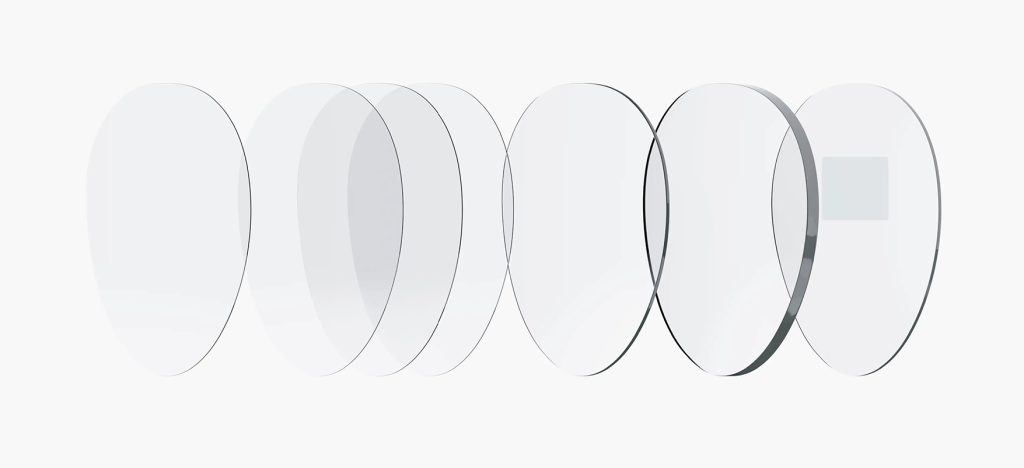
Beyond materials, lens functionalities directly affect wearing experience. Through the introduction and filtering options on Overnight Glasses, I learned how to select functional lenses according to my needs:
- Blue Light Filtering: Reduces eye strain from screens, suitable for people using computers and phones extensively.
- Anti-Reflective Coating: Reduces glare in strong light or while driving at night, ensuring clear vision.
- UV Protection: Protects eyes from ultraviolet rays, especially useful for outdoor activities.
- Scratch-Resistant and Smudge-Resistant Coatings: Enhances lens durability and makes cleaning easier.
I had tried several blue light lenses in physical stores, but I could only briefly experience them without being able to compare protection levels effectively. On Overnight Glasses, each lens function is clearly described, allowing me to select the best combination based on my daily habits.
Importance of Prescription and Pupillary Distance
When selecting lenses, prescription and pupillary distance (PD) are equally important. I once wore glasses with the correct prescription but inaccurate PD, which caused fatigue and distorted vision. Later, I carefully entered my latest prescription on Overnight Glasses, including sphere, cylinder, and PD. The entire lens ordering process was smooth and accurate.
After entering the parameters, I found that the system automatically recommended the appropriate lens thickness and material based on prescription and PD, ensuring comfort. Especially with high-index lenses, precise PD matching significantly improved visual experience, eliminating the previous problem of misaligned lens weight.
Considering Lens Thickness and Weight
Thickness and weight directly affect comfort. I often complained that high-prescription lenses were too thick, causing pain on the nose and behind the ears after long periods of wear. Later, I tried several high-index thin lenses on Overnight Glasses, which significantly reduced thickness and weight, allowing for comfortable all-day wear.
Moreover, lens thickness affects overall aesthetics. I used to feel that high-prescription lenses looked bulky, even if the frame was beautiful, ruining the visual effect. After precise ordering, I chose high-index lenses, which looked lighter and more natural, making me feel comfortable both visually and psychologically.
Lens Color and Coating Selection
Besides material and functionality, I also considered lens color and coatings. On Overnight Glasses, I discovered options including clear lenses, light yellow blue-light-filtering lenses, and gradient lenses. Different colors offer varied visual effects depending on lighting conditions:
- Clear Lenses: Ideal for daily indoor work or study, with the most natural vision.
- Light Yellow Blue-Light Lenses: Reduce eye strain from screens, improve visual clarity in dim indoor light, and feel natural.
- Gradient Lenses: Suitable for outdoor activities, providing both UV protection and visual comfort.
I especially like the light yellow blue-light lenses because they effectively reduce eye strain during long hours at the computer while looking natural.

User Experience and Tips
After several trials, I summarized some small tips for choosing lenses:
- Understand your visual habits: Prioritize blue-light protection for long screen use; focus on UV protection for outdoor activities.
- Pay attention to prescription and PD: Enter accurate data to ensure visual comfort and reduce eye fatigue.
- Match material and thickness: High prescriptions benefit from high-index lenses to reduce weight and improve aesthetics.
- Consider coating and color: Choose according to environment and personal preference, balancing functionality and appearance.
- Gradually adapt to new lenses: Wear them for short periods at home first before extended use to allow your eyes to adjust.
Through Overnight Glasses, the lens selection process became clear, convenient, and controllable. I no longer follow recommendations blindly but choose according to my own needs. Every time I wear my lenses, I feel the comfort they bring, making daily life smoother.
How Lens Selection Enhances Life Quality
Suitable lenses are not just about seeing clearly—they significantly enhance life quality. I used to think eye fatigue and headaches were simply caused by work pressure, but after carefully choosing lenses, I realized that lens comfort greatly affects overall well-being.
When working at home, I wear carefully chosen blue-light lenses, and even after long hours on the computer, my eyes do not feel dry. Outdoors, I wear UV-protective lenses, and even under strong sunlight, my eyes feel comfortable. The lightweight materials and reasonable thickness allow me to wear them all day naturally and comfortably.